


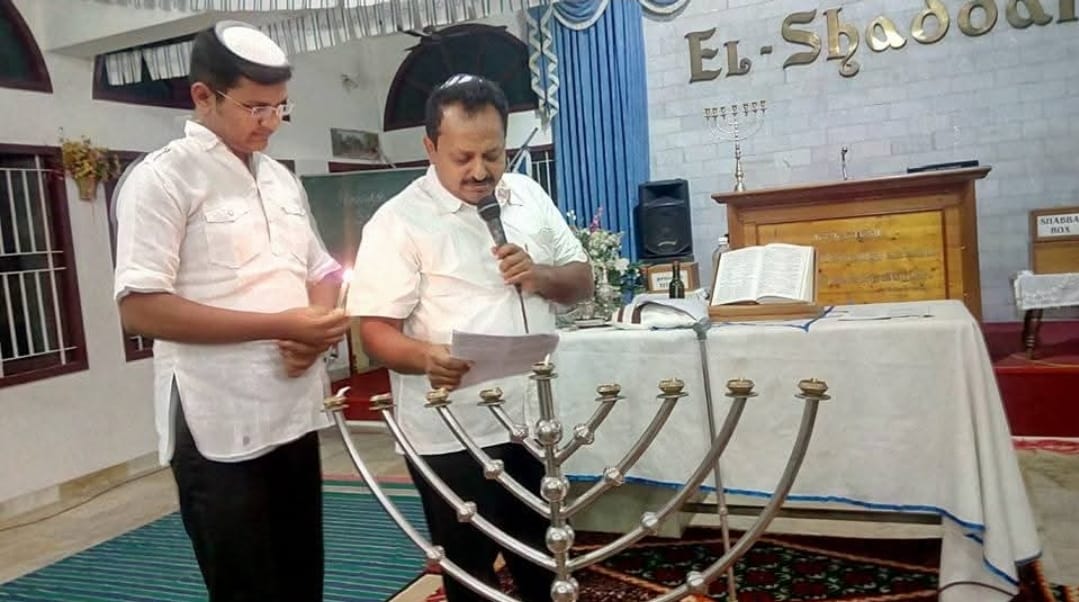
How one of the Tamil Nadu’s last Jewish families keep the flame alive
Every evening for the eight days of Chanukah, Anne Sheela Samuel and her daughter Rivka lit the candles of the menorah. “My son and elder daughter are lighting them in Israel, but our hearts unite when we gaze at the flame,” says Anne.
 Anne is one of the very few practicing Jews in Tamil Nadu as most have immigrated to Israel. “The last Jewish family in Chennai relocated to America, and there are no communal activities her now,” she says. “When my husband was alive, Israeli visitors made Chanukah a community celebration. Now, it’s just me and my younger daughter.”
Anne’s late husband, Samuel Devasahayam, traced his roots to the Baghdadi Jewish community that settled in South India, particularly in Chennai, during the Mughal era. Born a Christian, Anne embraced Judaism after marriage and officially converted, according to orthodox Judaism. “My husband and I travelled often to Israel to learn the culture and the language better,” she says.
While most Iraqi-origin Jews left India or stopped practicing with a predominance of assimilation and intermarriage, Samuel remained a staunch Jew. In 2012, he founded the Zion Torah Center in Erode, teaching Jewish culture and hosting Israeli visitors to India. Unable to find Jewish prayer books in Tamil, their son Moshe translated them, the first of their kind. “With growing interest in our center, we built a synagogue in Erode to conduct festivals and events,” says Anne.
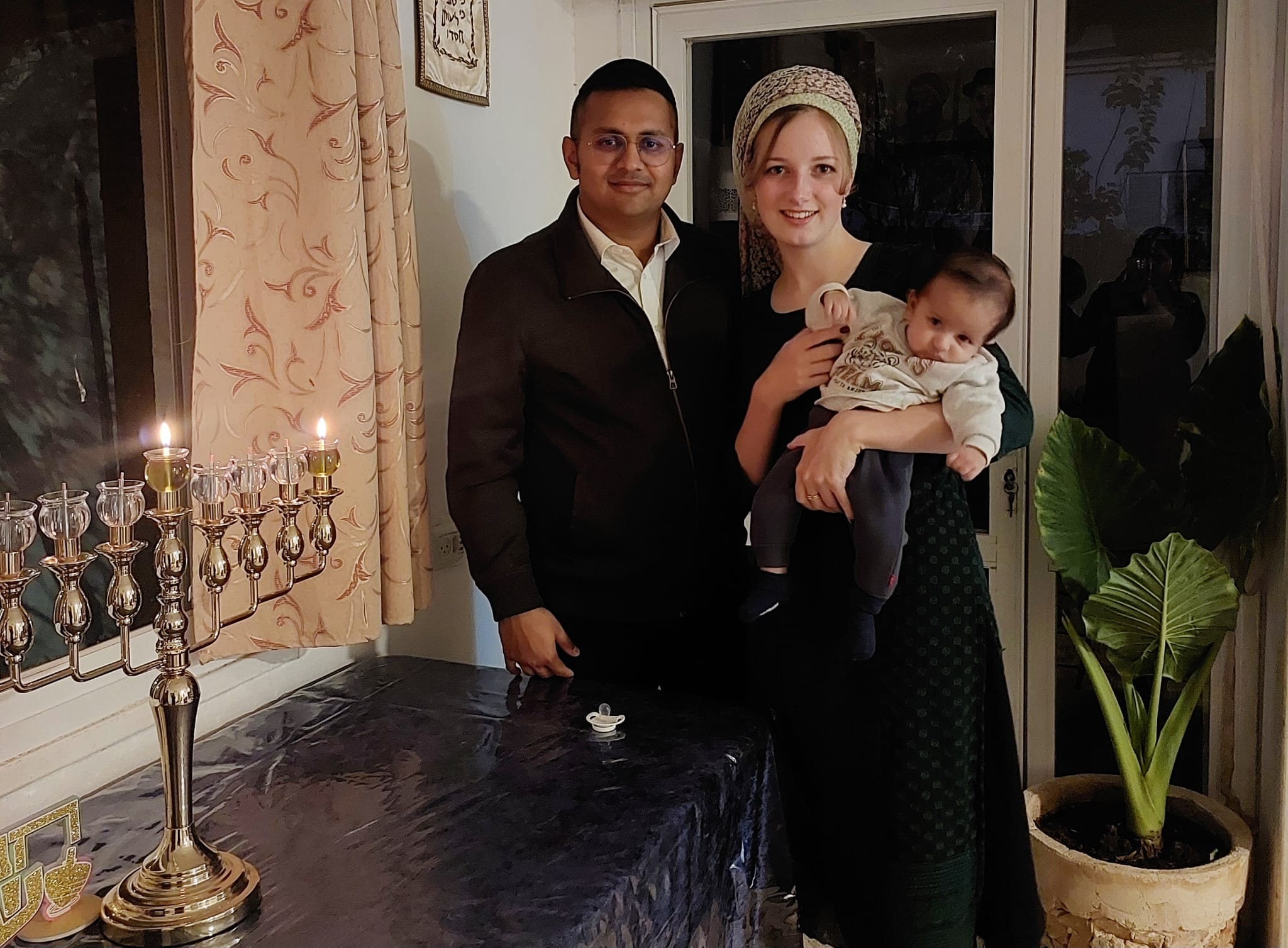
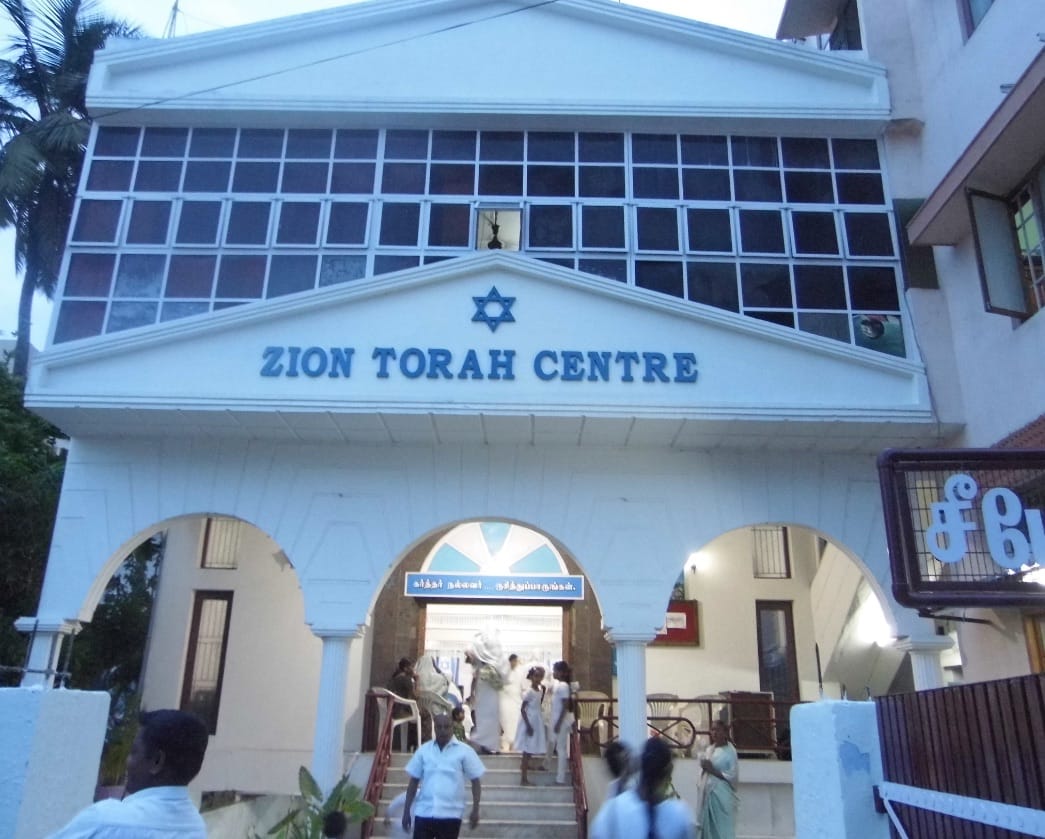 They synagogue was closed following Samuel’s passing, but Moshe moved to Israel, completed his rabbinic ordination in Jerusalem and married Hannah, a Dutch Jew while there. He plans to return to India to continue his father’s role as a rabbi at Kochi’s 500-year-old Pardesi Synagogue, South India’s only other functional synagogue, while also serving as a kosher supervisor (trained to ensure adherence to Jewish dietary laws.) Moshe and Hannah will host Israeli and Jewish guests in Kochi and conduct prayer services at the Pardesi synagogue.
“My husband played a vital role in the restoration of the Kadavambagam synagogue in Kochi,” says Anne. “The Zion center also had to be closed down after Moshe left for Israel, which they hope to re-open when he returns,” says Anne. Anne says the children were brought up to follow the religion strictly, but being a practicing Jew in India is not easy, especially when you are possibly the only family left. “Shabbat (Saturday) is dedicated to prayers, so I decided to home-school my daughters from 9th grade,” says Anne. Although she holds multiple master’s degrees, Anne teaches online because she cannot work on Saturdays.
Finding kosher meat is practically impossible in Tamil Nadu, so Anne eats meat only when she travels to a place where kosher is available such as Mumbai, or when her son is in town. As the holiday of Chanukah just passed, Anne spoke about how no fasting or mourning is allowed during the holiday of Chanukah, which is considered a reminder of the perseverance of the Jewish people in the face of adversity. “As Indian Jews, we take pride in the fact that Chanukah usually falls between November and December, coinciding with the Indian festivals of lights, Diwali and Karthigai Deepam. Both festivals remind us that even a little light can dispel darkness and inspire hope,” says Anne.
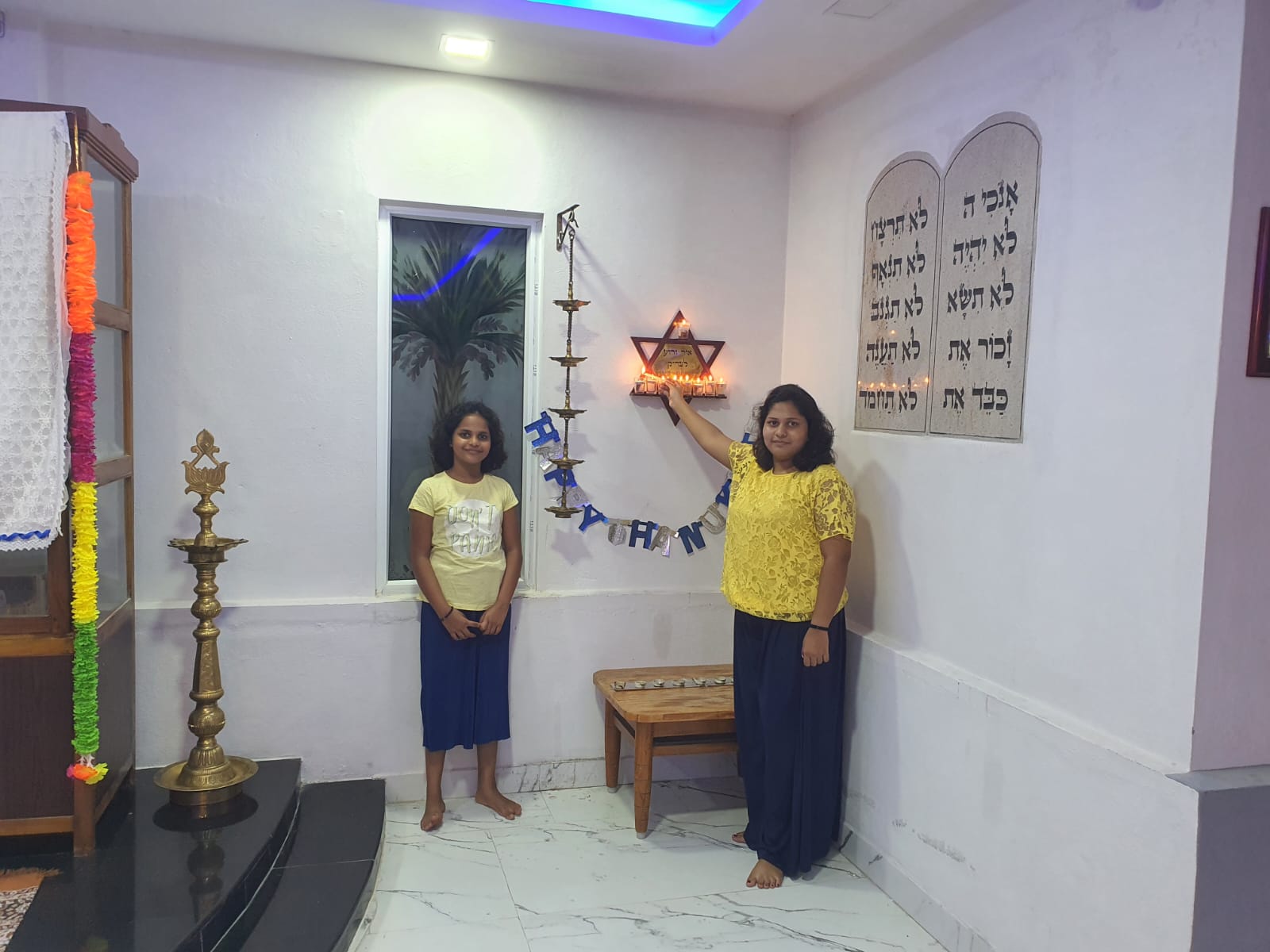 “Here we celebrate Chanukah with traditional Indian dishes such as gulab jamun, jalebi, spicy potato fritters, vada and pakora,” says Anne, who says she hopes to make aliyah to Israel with Rivka eventually, as it’s difficult to follow the religion and traditions of Judaism, and have a proper community in South India. Israel’s 1950 Law of Return allows Jews, people with one or more Jewish grandparents and their spouses the right to relocate to Israel and acquire citizenship there.
Original article can be found here: Times of India