Shavei Israel creates innovative new center for Jewish youth programming in Katowice, PolandShavei Israel crea un innovador centro para programas judíos juveniles en Katowice, Polonia

At the Israeli Cafe – program produced by Be’er Miriam in Katowice, Poland
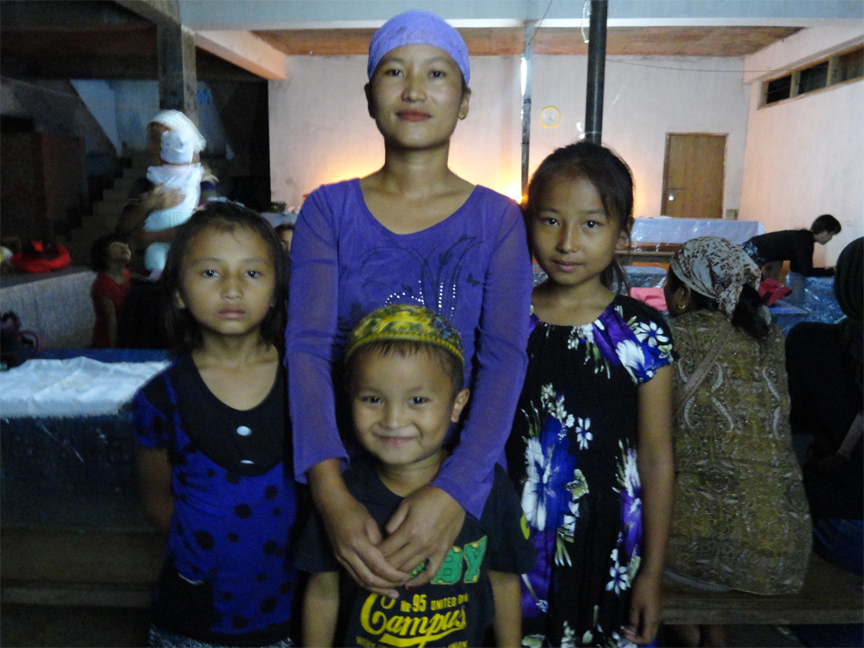
Noemi, Varvara and Devora are three young women who were all on the periphery of the Jewish community in Katowice, Poland – interested but mostly isolated. Moreover they all faced financial difficulties, which made them personally and spiritually vulnerable. Their futures looked uncertain at best – until Shavei Israel’s emissary to the region, Rabbi Yehoshua Ellis, stepped in.
Rabbi Ellis secured an apartment in downtown Katowice and invited the young women to move in – with half the rent subsidized by Shavei Israel. The only requirement: that the women organize at least one program a month for young Jews in Katowice.
It’s a win-win situation, says Rabbi Ellis. “We were able to provide the women with a healthy and safe place to live while at the same time giving a new young voice to the Jewish community in Katowice.” Noemi, Varvara amd Devora agree and have been actively putting together events since they moved in at the beginning of April.
Young Polish Jews have long been underserved in Katowice. The community as a whole has only 120 officially “registered” members – none of them under 40. Rabbi Ellis knew there was a burgeoning demand. “But programming for young people should ideally be done by the young people themselves,” he explains. “If I do it, it becomes mostly a chance to ‘meet the rabbi’ and ask questions.”
Katowice is a relatively small city – with only about 600,000 residents – but it is the center of an urban area of more than 5 million people. The Jews in this region of Silesia are spread out; it can often take 30-40 minutes to travel by bus or train to the main Shavei Israel Jewish community in Katowice itself. Noemi, Varvara and Devora were all living in the outskirts, so bringing them together downtown has had an immediate personal effect on their own ability to connect in a meaningful way to organized Jewish life, in addition to the programming they’re doing.
The new apartment is located near the Katowice Jewish community center, which consists of a synagogue, offices, a kitchen and dining area where kosher food is made for the community and which is large enough to host meals for the Jewish holidays and Shabbatot. There is additional space to host overnight visitors.
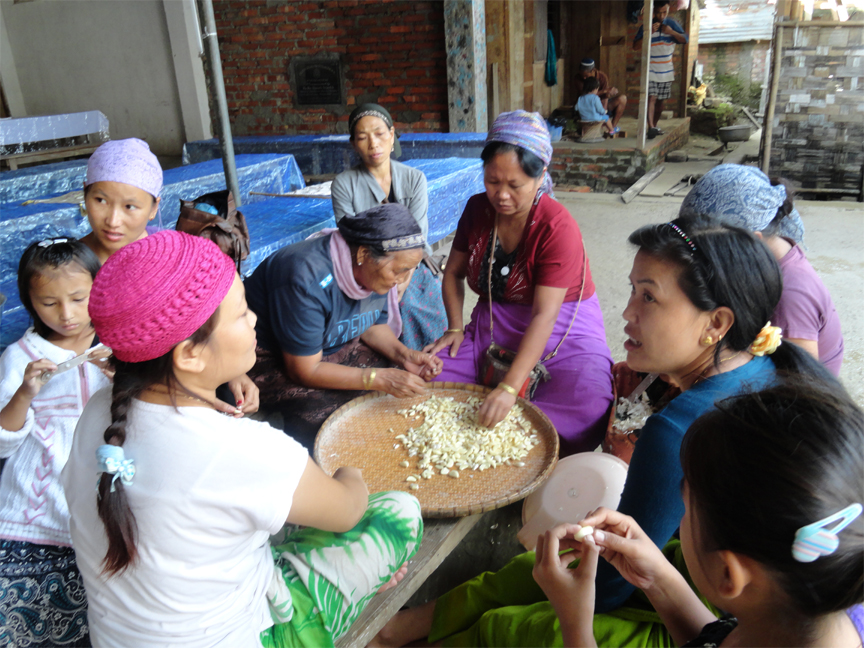
In the month since the women moved in, they have already established a number of new Jewish activities targeting the younger population. An “Israeli film club” meets every other Tuesday in a special room set aside in a local coffee shop; the group screens and discusses the latest cultural offerings from the Jewish State. This alternates with an “Israeli café,” held at the apartment itself, where several Israeli medical students, who are currently studying in Katowice, teach the locals how to prepare classic (and kosher) Israeli dishes. The first food off the plate: shakshuka, a popular egg and tomato dish. Over cooking and eating, the group discusses current events, trends and politics in Israel.
A third activity is a weekly class in krav maga, an Israeli-developed self-defense system that incorporates elements of boxing, Judo, jiu-jitsu and wrestling.
All three of the activities have an Israeli connection. Is this coincidental or by design? Rabbi Ellis suggests that young Polish Jews are more interested in “moving forward with their Judaism than looking back” towards the Holocaust. And when you’re thinking about the future, nothing compares to Israel, he says.
There may be another reason the Jews of Katowice are so Zionist: Katowice was effectively the place where modern political Zionism began. Thirteen years before the well-known First Zionist Congress in Basel, Switzerland, there was the “Katowice Congress,” held in 1884. Among the 30 dignitaries who attended was Zionist pioneer Leon Pinsker, founder of the Hovevei Zion (“Lovers of Zion”) movement that promoted settling the Land of Israel. The Agudat Israel organization also got its start in Katowice in 1912.
Rabbi Ellis has named both the youth program and apartment where Noemi, Varvara and Devora live “Be’er Miriam” – Miriam’s Well” in Hebrew – referencing both the sister of Moses, along with the well that, through the merit of Miriam, followed the Jewish people in the wilderness after they left Mount Sinai.
The biblical Miriam is also closely connected with music; a fourth activity the women have organized in their short time “on the job” was a concert of klezmer –style songs, performed by a local Jewish band, on the holiday of L’ag B’omer. Forty people attended.
Be’er Miriam isn’t the only source of Jewish content in Katowice. In the year since Rabbi Ellis was appointed Shavei Israel’s emissary to the region, he has put together a full schedule of activities. There are weekly Shabbat meals and prayers, Sunday morning and evening lessons on different aspects of Jewish life and law, and Hebrew classes. Soon, with assistance from Be’er Miriam, they plan on opening a Sunday school for Jewish children from the area, as well.
Rabbi Ellis says he can already see changes in Noemi, Varvara and Devora. “They are taking an active role in Jewish life now,” he says. “If they were on the periphery before, on the outside looking in, now they are in the center, reaching out to others.” Rabbi Ellis adds that he hopes this model can be replicated in other Polish cities, to enable young Polish Jews to take charge and make their own cultural opportunities.
If you’d like to help support Be’er Miriam, please click here. We thank you in advance for your contribution!
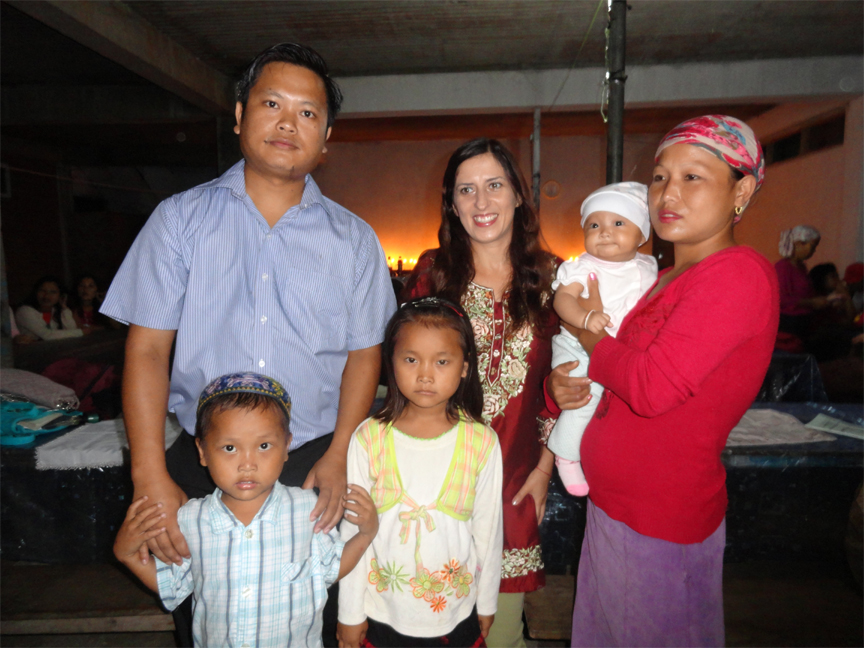
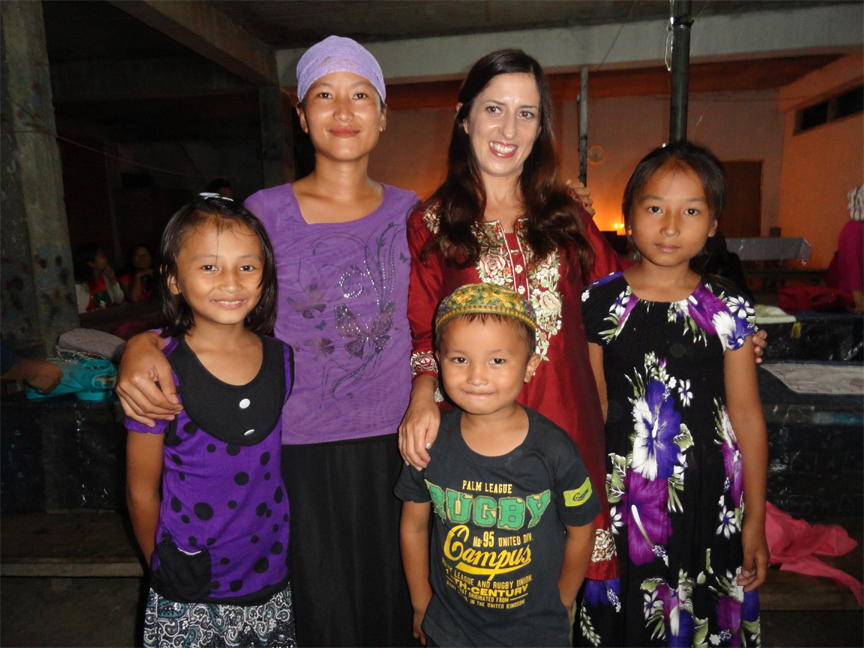
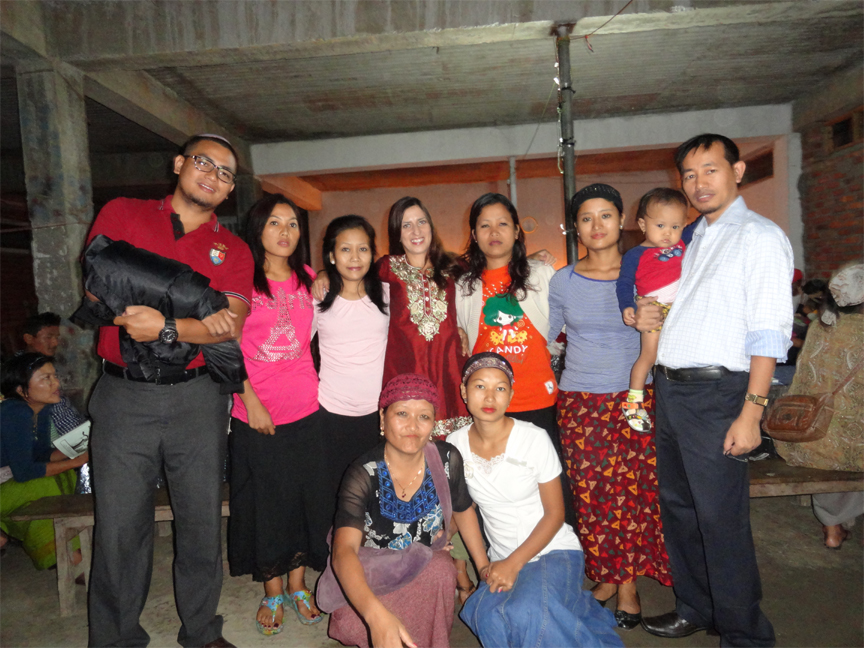
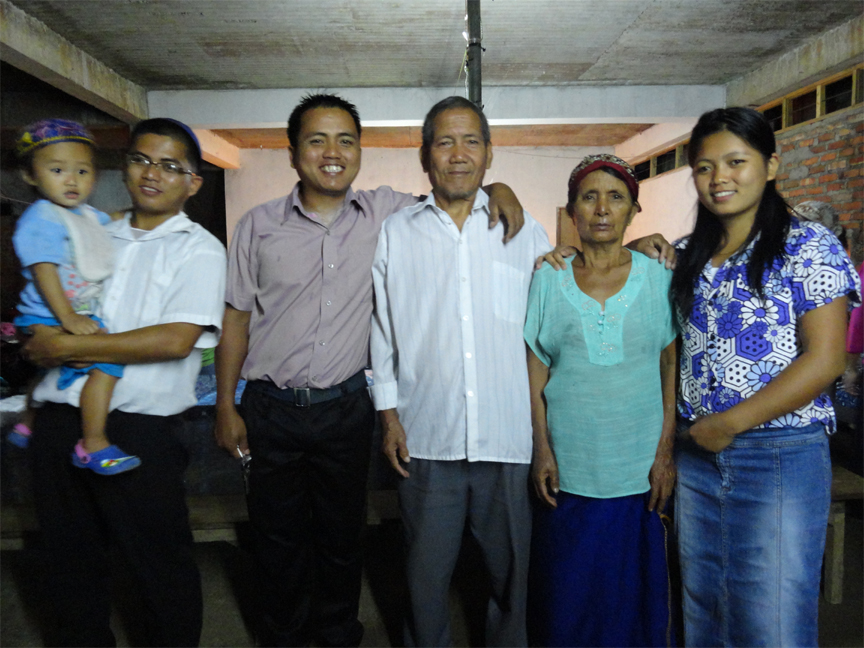
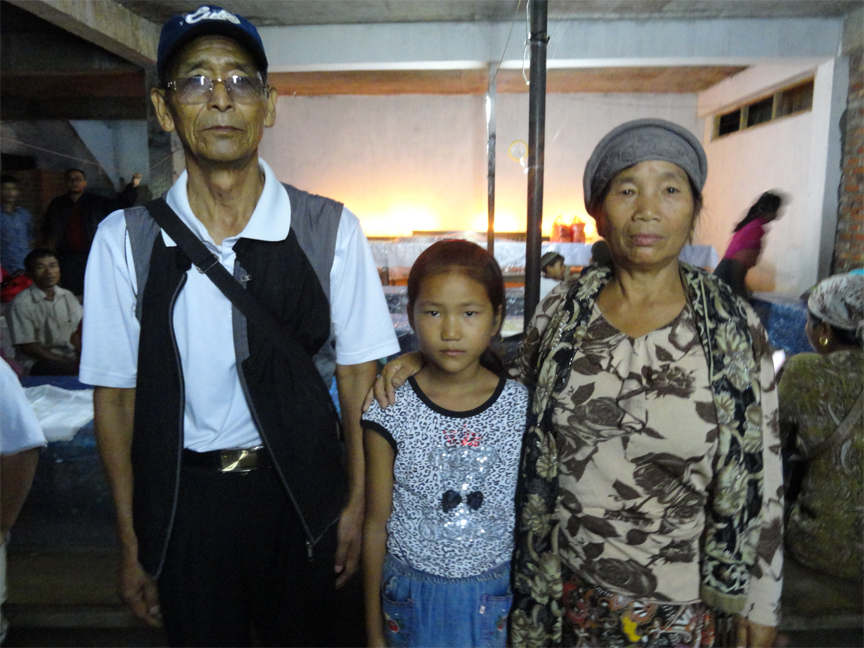
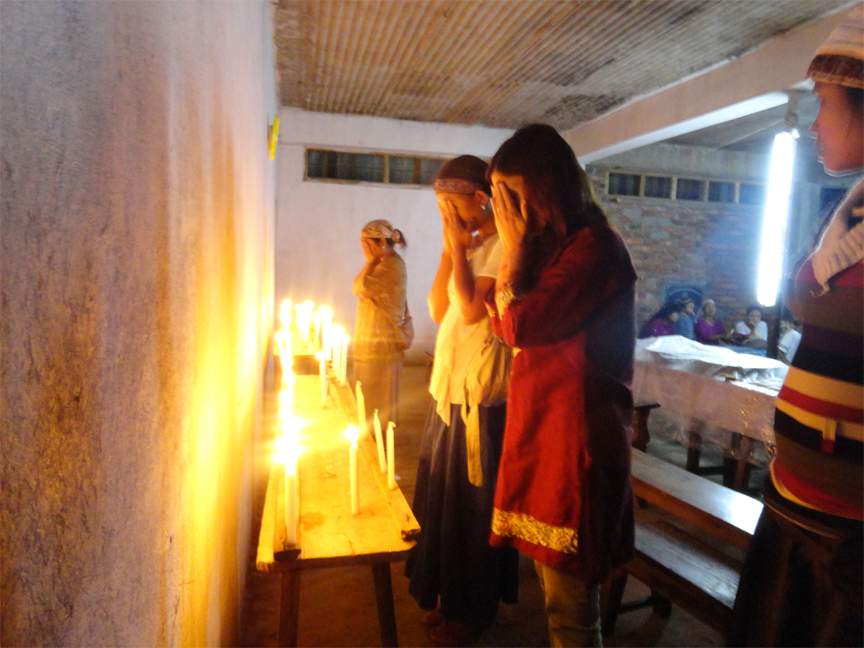
We have several pictures here from the chanukat habayit (housewarming) of Be’er Miriam, including the affixing of a mezuzah.

Hanukat HaBayit in Katowice – Havdolah

Rabbi Ellis at the housewarming

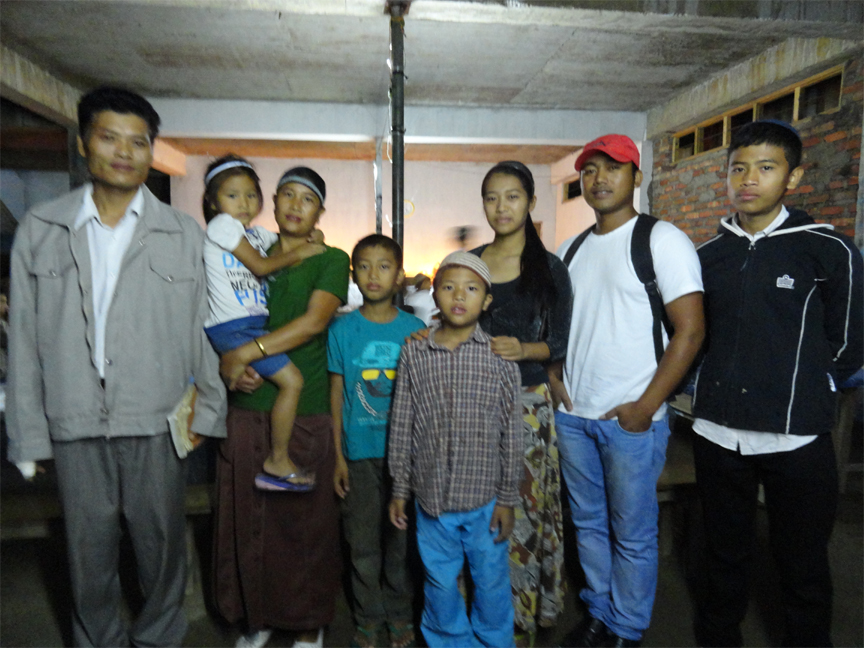
The group at the Hanukat HaBayit
 Noemi, Varvara y Devora son tres jóvenes mujeres pertenecientes a la periferia de la comunidad judía de Katowice, Polonia – interesadas pero prácticamente asoladas. Más aún, todas enfrentaban dificultades económicas, las cuales las transformaban personal y espiritualmente en vulnerables. Sus futuros eran inseguros en el mejor de los casos – hasta que el emisario de Shavei Israel, el Rabino Yehoshua Ellis, llegó.
El Rabino Ellis les consiguió un departamento en el centro de Katowice e invitó a las mujeres a mudarse – con la mitad del alquiler subsidiado por Shavei Israel. El único requisito: que las mujeres organicen al menos un programa mensual para los jóvenes judíos de Katowice.
Todos ganamos, dice el Rab Ellis. “Pudimos proveerle a las mujeres un lugar saludable y seguro donde vivir, al mismo tiempo en que le damos una nueva y joven voz a la comunidad judía de Katowice”. Noemi, Varvara y Devora aceptaron y desde entonces han estado organizando activamente eventos desde el comienzo de abril.
Los jóvenes judíos polacos no han recibido mucho trato en Katowice. La comunidad tiene solo 120 miembros oficialmente registrados – ninguno menor de 40 años. El Rab Ellis sabía que existe una creciente demandada. “Pero programas para gente joven deberían ser idealmente armados por la gente joven en sí misma”, explica. “Si yo lo organizo, generalmente se transforma en una chance de ´encontrarse con el rabino´ y hacerle preguntas”.
Katowice es una ciudad relativamente pequeña – con solo cerca de 600.000 residentes – pero es el centro de un área urbana de más de 5 millones de personas. Los judíos en la región de Silecia están esparcidos; puede generalmente tomar entre 30-40 minutos viajar en autobús o tren a la comunidad judía.
En el mes que pasó desde que las mujeres se mudaron, ya han establecido un “club de cine israelí” se encuentra todos los martes en un cuarto especial de un café. Esto se alterna con un “café israelí” en el departamento mismo, donde varios estudiantes de medicina israelíes, los cuales se encuentran actualmente estudiando en Katowice, enseñan a los locales como preparar comidas israelíes clásicas. Mientras que cocinan y comen, el grupo discute sobre actualidad israelí.
Una tercera actividad es una clase semanal de krav maga, un sistema de auto defensa israelí el cual combinan boxeo, judo, jiu-jitsu y lucha.
Las tres actividades tienen una conexión israelí, ¿es esto coincidencia? El Rab Ellis sugiere que los jóvenes judíos polacos están muy interesados en “seguir adelante con su judaísmo en lugar de mirar hacia atrás” para el holocausto y que este puede ser el motivo.
Rab Ellis ha puesto al lugar el nombre “Beer Miriam”, la fuente de Miriam, refiriéndose tanto a la hermana de Moshé como a la fuente que, por el mérito de Miriam, seguía al pueblo judío durante su estadía en el desierto.
La Miriam bíblica está también conectada con la música; una cuarta actividad que organizaron las mujeres fue un concierto klezmer para la festividad de Lag Baomer. A este evento asistieron 40 personas.
Rab Ellis dice que ya ve cambios en Noemi, Varvara y Devora e incentiva a otras ciudades a tomar esta iniciativa.
Si desea ayudarnos a apoyar Beer Miriam, por favor haga click aquí. ¡Le agradecemos en adelantado por su contribución!
A continuación les traemos algunas fotos de la inauguración de Beer Miriam y los demás eventos.